
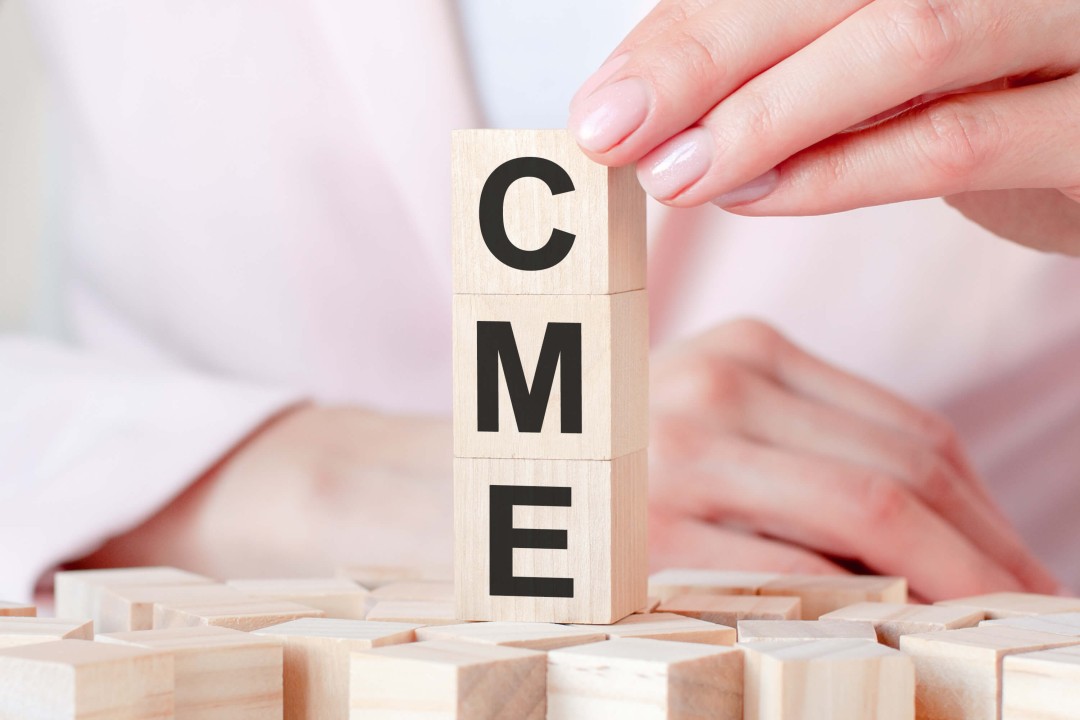
The Evolution of CME
The transformation of CME: from historic roots to tech-driven, inclusive future, shaping proactive, informed healthcare professionals worldwide.
Introduction:
Continuing Medical Education (CME) has undergone significant transformations over the years. It has adapted to the dynamic landscape of healthcare. CME has also responded to the evolving needs of medical professionals. From its inception to the present day, this article delves into the journey of CME. It examines historical milestones and current requirements. Additionally, it provides insights into the future of medical education.
id=”ember1185″ class=”ember-view reader-content-blocks__paragraph”>Historical Perspective:
CME traces its roots back to the early 20th century when medical professionals recognized the need for ongoing education. This was necessary to keep pace with rapid advancements in healthcare. Notably, the American Medical Association (AMA) pioneered the concept of CME in the 1920s. It emphasized the importance of physicians staying informed about emerging medical knowledge.
id=””ember1187″ class=”ember-view reader-content-blocks__paragraph”>Over the decades, CME evolved from informal gatherings to structured programs. It began to incorporate lectures, workshops, and conferences. In the latter half of the 20th century, accrediting bodies like the Accreditation Council for Continuing Medical Education (ACCME) emerged. They established guidelines to ensure the quality and relevance of educational activities.
s=”ember-view reader-content-blocks__paragraph”>Current Requirements:
Today, CME is an integral part of maintaining licensure and board certification for healthcare professionals. The requirements for CME vary by region and medical specialty. However, the overarching goal is to ensure that professionals stay abreast of the latest developments, techniques, and evidence-based practices in their fields.
id=”ember1190″ class=”ember-view reader-content-blocks__paragraph”>ACCME, a central accrediting body in the United States, outlines criteria for providers to offer accredited CME activities. These criteria include needs assessment, educational planning, evaluation, and the incorporation of relevant educational formats. Furthermore, many medical boards and professional organizations mandate a certain number of CME hours for license renewal. This emphasizes the commitment to lifelong learning.
id=”ember1191″>lass=”ember-view reader-content-blocks__paragraph”>Technology’s Impact on CME:
One of the most transformative elements in the evolution of CME is the integration of technology. Traditional methods, such as live lectures and printed materials, have given way to online platforms, webinars, and interactive modules. As a result, this shift accommodates the busy schedules of healthcare professionals. It also allows for a more personalized and flexible learning experience.
id=”ember1193″>ass=”ember-view reader-content-blocks__paragraph”>Simulations and virtual reality have become valuable tools in medical education. They offer realistic scenarios for hands-on training. These technological advancements enhance the practical applicability of CME. Notably, they provide healthcare professionals with opportunities to refine their skills in a safe and controlled environment.
<h2 id=”ember1194″>ass=”ember-view reader-content-blocks__paragraph”>Transformation of CME: Future Landscape
As we look ahead, the <strong class=”yoast-text-mark”>ass=” is set for even greater innovation. Emerging technologies such as <strong class=” data-s=””>chine learning</strong> will play a key role in shaping the next generation of learning experiences. These tools will personalize educational content, adapting to each learner’s unique needs and professional goals.
With the help of data analytics, CME providers can create tailored learning paths that align with individual specialties and interests. As a result, healthcare professionals will benefit from more relevant, efficient, and impactful education.
In addition, the growing emphasis on interdisciplinary collaboration in healthcare will influence how CME is designed and delivered. Future programs may focus more on teamwork, communication, and shared problem-solving across medical disciplines. This integrated approach promotes a deeper understanding of the complex, connected nature of patient care.
Furthermore, the global reach of modern healthcare highlights the need for international cooperation in CME. Cross-border initiatives and partnerships are likely to expand, creating a global network for sharing medical knowledge, research, and best practices. By fostering worldwide collaboration, CME can strengthen healthcare delivery. It also promotes innovation across all regions.
Expanding Access and Inclusivity in the Transformation of CME:
The evolution of CME also involves a growing focus on increasing access and inclusivity. Recognizing that healthcare professionals span diverse demographics and geographical locations, efforts are underway to democratize access to quality education. Virtual conferences, webinars, and on-demand courses eliminate geographical barriers. This enables professionals from remote areas to engage in CME activities without the constraints of travel. Additionally, the incorporation of subtitles, diverse language options, and culturally sensitive content ensures that CME is inclusive. Therefore, it remains accessible to a broader spectrum of medical professionals.
d=””>=””>=”ember1200″ class=”ember-view reader-content-blocks__paragraph”>Interactive and Engaging Learning Experiences:
As the landscape of adult learning evolves, so does the approach to CME. The future of medical education will likely witness a surge in interactive and engaging learning experiences. For example, gamification elements, virtual patient case studies, and collaborative problem-solving scenarios are emerging trends. These innovative approaches not only enhance knowledge retention but also make the learning process more enjoyable. By incorporating elements that mirror real-world medical challenges, CME target=”_blank” rel=”noopener”>a-wp=””>il-m=””>onit=””>or-i=””>d=”10702″>programs prepare healthcare professionals for the complexities they may encounter in their daily practice.
Transformation of CME Means Continuous Quality Improvement
“Continuing Medical Education (CME)d=”948″>evolution of Continuing Medical Education&lt;/strong> highlights the resilience and adaptability of the medical profession. From its early 20th-century roots to today’s technology-driven, interactive learning environments, CME has continuously advanced to meet modern challenges. Looking ahead, technology, personalized learning, and collaboration will further elevate medical education. Ultimately, this will improve patient outcomes and community health worldwide. As CME continues to evolve, its vital role in shaping the future of healthcare remains clear. It empowers professionals to deliver the highest quality of care in an ever-changing medical landscape.
Give the experts at InReach</a> CE a call today!